Thinking about selling a rural property in Bonsall? You are not just selling a house. In many cases, you are selling land, access, infrastructure, and a lifestyle tied to privacy, views, and usable space. When you prepare the property the right way from the start, you can answer buyer questions with confidence, reduce surprises, and create a smoother path to closing. Let’s dive in.
Why Bonsall listings are different
Bonsall has a distinctly rural character, and that shapes how buyers evaluate property. According to the County of San Diego’s Bonsall community information, the area includes hills, valleys, drainage areas, low-density estate-style lots, agricultural land uses, and equestrian facilities.
That matters because buyers often look beyond the home itself. In Bonsall, value can also be tied to how the house sits on the parcel, how much of the acreage is usable, what improvements are already in place, and how easy the property is to access. The Bonsall Community Plan supports this broader view by describing the area’s scenic topography, estate lots, and agricultural setting.
Price the full property story
With a rural listing, square footage is only one piece of the picture. Buyers may also weigh flat and usable land, driveway approach, gates, fencing, outbuildings, agricultural features, and site placement when comparing one property to another.
That is why pricing a Bonsall property should reflect the whole package, not just interior finishes. A thoughtful pricing strategy should account for the parcel’s function, improvements, and documentation so buyers can clearly see what they are getting.
Prepare for buyer due diligence early
Rural buyers tend to ask practical questions quickly. If you can answer them early and clearly, your listing feels more credible and easier to evaluate.
A strong pre-listing plan helps you gather key documents before the home goes live. That can reduce delays later, especially when buyers are comparing your property to more standard suburban listings.
Road access and maintenance
Access is often one of the first things buyers want to understand. The County notes that some roads in San Diego County are not county maintained, and some private roads are funded through PRD zones or other private arrangements that support maintenance and emergency egress. You can review the County’s guidance on road maintenance and private roads.
For a seller, this means it helps to know exactly who maintains the road, whether there are assessments, and how the property is reached from the main route. Clear information about access can strengthen buyer confidence and cut down on uncertainty.
Septic, sewer, and wastewater
Because much of Bonsall is not served by sewer, many properties rely on private subsurface sewage disposal systems. The County materials in the Bonsall Community Plan note that these systems are common in the area.
Buyers often want to know whether the property is on septic, when the system was last serviced, and whether permits or records are available. Since septic sizing can depend on percolation data and bedroom count, having service history and permit information ready can be especially helpful.
Wells and water systems
If your property has a private well, expect buyers to ask about permits, maintenance, and any system updates. The County’s water wells information confirms that well installation or modification requires County permits.
Even if the well has performed well for years, buyers still want documentation. When you can provide records up front, it shows organization and makes the transaction feel more transparent.
Fire readiness and defensible space
In a rural setting like Bonsall, wildfire readiness is part of the conversation. California fire guidance explains that hazard classification considers fuels, terrain, weather, and other factors, and properties in certain mapped areas may be subject to defensible-space requirements. You can learn more through CAL FIRE’s wildland hazards and building codes resources and the state’s defensible space zones guidance.
For sellers, this means your property presentation should include more than curb appeal. Buyers may want to understand clearance, access, and whether the property is located in a mapped hazard area.
Document the land, not just the home
One of the biggest mistakes sellers make with rural property is focusing too much on the residence and not enough on the site. In Bonsall, the land itself may be one of the property’s most important selling points.
The Bonsall Community Plan highlights agriculture as a prominent local land use and references buffers, setbacks, agricultural preserves, Land Conservation Contracts, and compatibility with right-to-farm regulations. That makes detailed property documentation especially valuable.
You should be ready to identify features such as:
- Acreage and approximate usable areas
- Driveway and access points
- Barns, corrals, fences, and gates
- Orchards, irrigation components, or storage structures
- Easements or known use restrictions
- Drainage, slopes, or site-specific improvements
If the parcel is within one mile of designated farmland, California’s Right to Farm disclosure guidance may apply to the transaction. That is one more reason to organize land-related details early.
Use marketing that shows the entire property
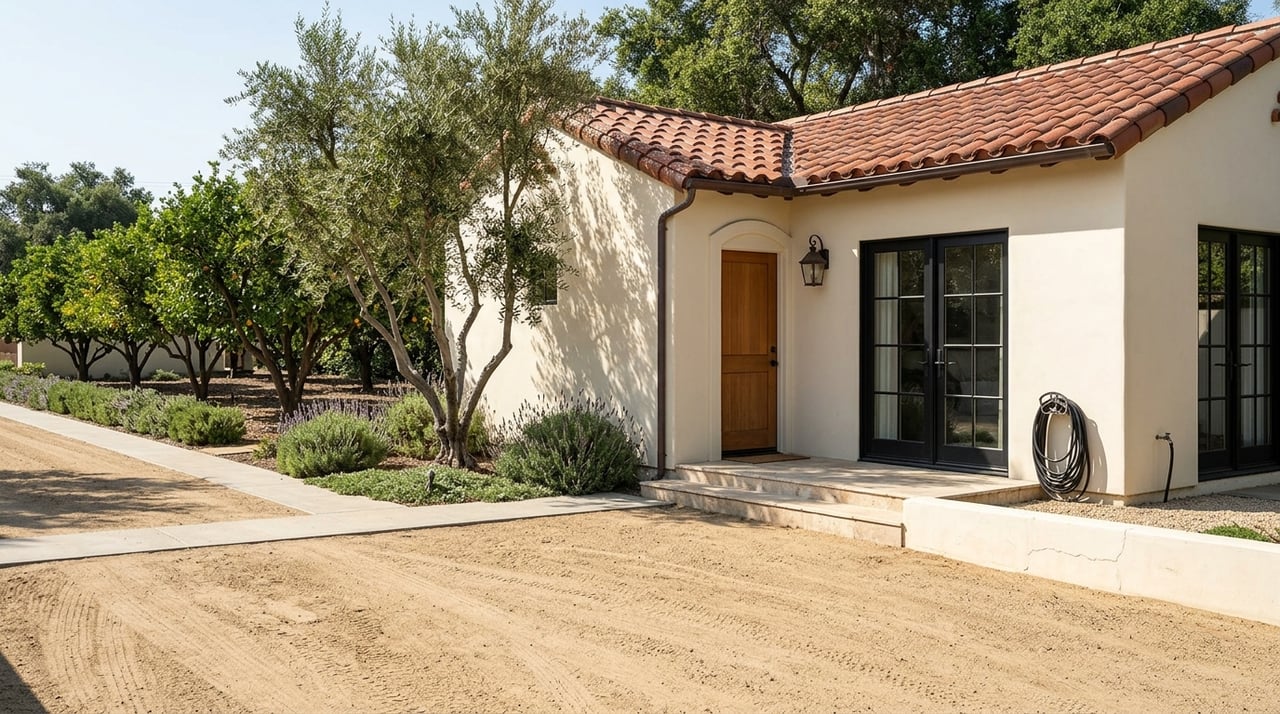
A rural Bonsall listing needs a different visual strategy than a typical tract home. Buyers usually want to see how the home fits into the land, how the driveway approaches the property, and what the parcel looks like beyond the front door.
That means strong marketing should highlight the complete setting, not just interior rooms. Full exterior photos, approach shots, outbuildings, and aerial views can help buyers better understand the scale, layout, and landscape of the property.
This aligns well with the way Bonsall is described in the community planning materials, where scenic topography, larger lots, and agricultural or equestrian uses are part of the area’s identity. When marketing reflects those strengths, your listing can stand out more effectively.
Be careful with future-use claims
Some buyers may ask whether a parcel has future split or subdivision potential. In certain cases, the County’s Conservation Subdivision Program applies to specific rural residential land use designations, including Semi-Rural 10 and Rural Lands 20, 40, and 80.
Still, sellers should be careful not to imply that subdivision is automatic or guaranteed. If there may be future potential, it is best to present that carefully and encourage proper buyer investigation rather than making assumptions.
Strengthen disclosures and reduce risk
Clear disclosures are one of the best ways to build trust in a rural sale. For most California residential sales of one to four dwelling units, the Real Estate Transfer Disclosure Statement guide explains that the TDS should be provided as soon as practicable and before title transfer.
The same Department of Real Estate guidance also notes that expert reports from engineers, surveyors, geologists, contractors, pest-control operators, and other specialists may help limit liability when they address a disclosed issue. In practical terms, that means early reports can be useful if the property has known slope, drainage, foundation, or site concerns.
The California Geological Survey also states that sellers must disclose if a property is in a mapped Seismic Hazard Zone. For rural parcels with slopes or drainage concerns, gathering geotechnical information early can help avoid last-minute surprises.
Protect vacant or lightly improved land
If you are selling vacant land or a lightly improved parcel, extra verification matters. The California Department of Real Estate has warned about vacant land scams, especially involving absentee-owned properties.
That is why title, seller identity, tax records, and listing documentation should be verified carefully before the property goes live. A clean, well-documented listing protects you and helps serious buyers move forward with more confidence.
Build a smart pre-listing package
A practical Bonsall seller can gain a real advantage by assembling documents before hitting the market. The goal is simple: make it easy for buyers to understand the property and easier for their questions to be answered.
A strong pre-listing package may include:
- Road maintenance details and any related assessments
- Septic permits and service or pumping records
- Well permits and maintenance information
- Hazard disclosure materials
- Agricultural, conservation, or land-use documents
- Any available expert reports on slopes, drainage, or foundations
This kind of preparation can help your listing feel more polished, serious, and trustworthy from day one.
Sell with confidence in Bonsall
Selling a rural property in Bonsall is not about treating it like a standard suburban listing. It is about understanding what buyers care about most, presenting the land and improvements clearly, and backing up your marketing with organized documentation and thoughtful disclosures.
When you take that approach, you can reduce stress, answer questions faster, and position your property more effectively in a unique rural market. If you are thinking about selling in Bonsall and want a clear, high-touch strategy, connect with Lynn Rinner for thoughtful guidance and professional marketing support.
FAQs
What makes selling a rural property in Bonsall different from selling a typical home?
- Rural Bonsall properties often involve larger parcels, private infrastructure, agricultural or equestrian features, and site-specific factors like access, usable land, and topography, so buyers usually evaluate more than just the home itself.
What documents should you gather before listing a Bonsall rural property?
- It helps to gather road-maintenance information, septic and well permits, service records, hazard disclosures, land-use documents, and any available expert reports related to slopes, drainage, or foundations.
Why do buyers ask about road maintenance for Bonsall properties?
- Buyers want to know who maintains the road, whether it is county maintained or private, and whether any PRD assessments or other maintenance obligations affect the property.
How important are septic and well records when selling in Bonsall?
- They are often very important because many rural properties rely on private systems, and buyers commonly ask for permit history, service records, and maintenance information during due diligence.
What wildfire issues should sellers in Bonsall be ready to discuss?
- Sellers should be prepared to discuss defensible space, fire access and egress, and whether the property may fall within a mapped fire hazard area or other related disclosure category.
Can you advertise subdivision potential for a rural Bonsall parcel?
- You should be cautious and avoid presenting future split potential as guaranteed, since eligibility depends on zoning, land-use designations, and County review.