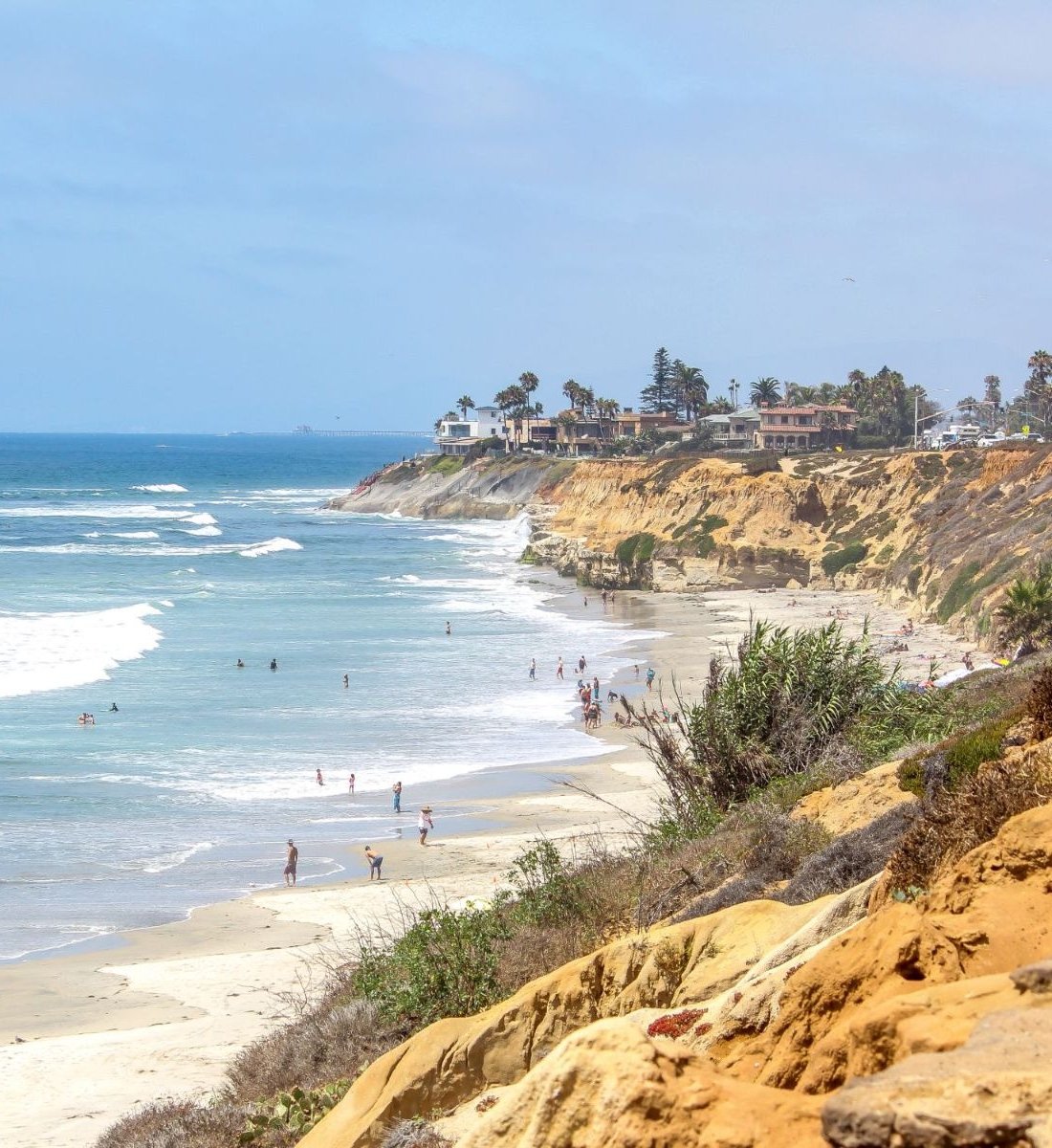
Dreaming about a Cardiff By The Sea home and wondering if you should focus on new construction or a resale? You’re not alone. In a built-out coastal market like Cardiff, both options can work well if you understand the tradeoffs. In this guide, you’ll learn how new builds usually happen here, what to expect with permits and coastal rules, how resale homes compare, and the steps to feel confident in your decision. Let’s dive in.
New construction in Cardiff: what to know
New construction in Cardiff usually isn’t a big subdivision. Because the area is largely built out, new homes tend to be teardowns and rebuilds on existing lots, or small-lot infill by custom or small builders. Some projects are extensive remodels that are essentially new homes.
What new builds look like here
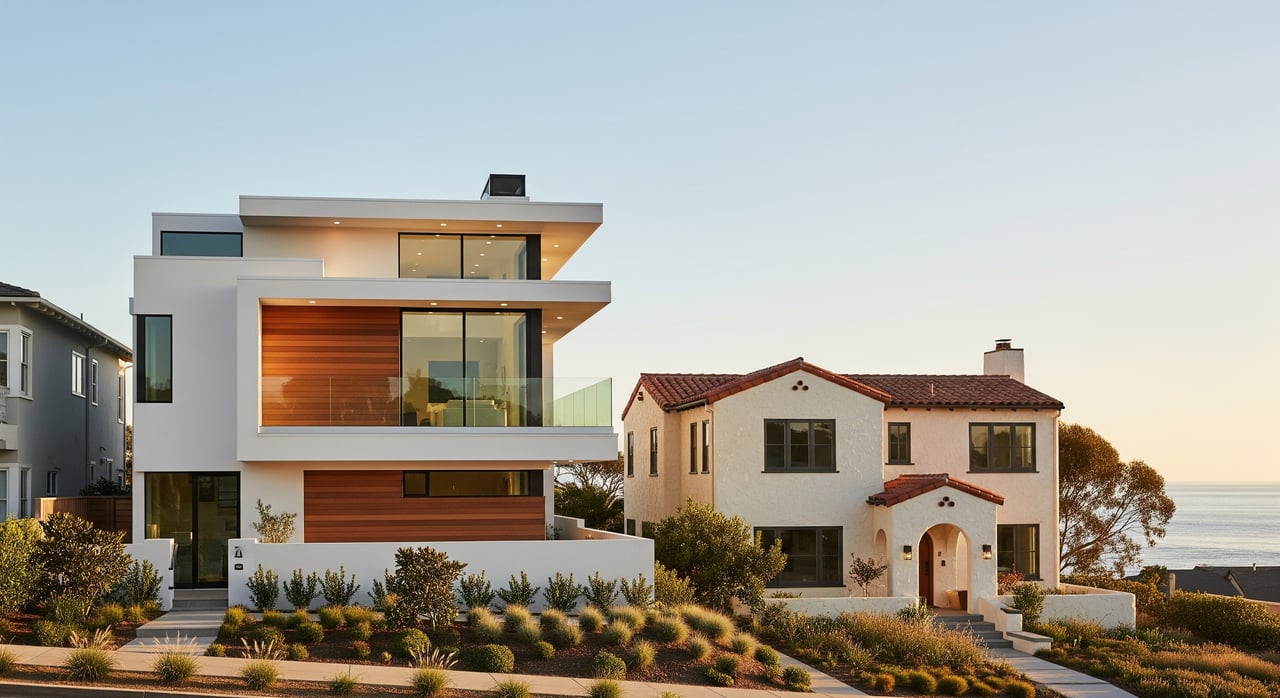
You’ll see contemporary coastal designs, open layouts, large window walls, energy-efficient systems, and upgraded outdoor spaces. Ocean views can drive design choices, and site orientation matters. Lot size and setbacks often guide what is possible.
Pros of new construction
- Modern layouts, energy-efficient systems, and updated codes.
- Lower near-term maintenance thanks to new roofs, windows, and mechanicals.
- Chance to customize finishes if you buy early or build with a design-build team.
- Builder warranties for workmanship and major systems.
Tradeoffs to consider
- Price premium: new builds often command higher prices per square foot than nearby older homes.
- Lot and view constraints: existing lot lines and setbacks can limit views and outdoor space.
- Permit complexity and time in the coastal zone; reviews can take months.
- Construction risks like delays, change orders, and potential defects.
Timeline and permits
A teardown-to-new-home path often takes several months to more than a year for planning and permitting, then many months of construction. Projects in the coastal zone may need approvals from the City and coastal authorities. Start by checking parcel rules with the City of Encinitas Planning and Building. For many projects, you may also need to follow guidance from the California Coastal Commission. Bluff-front or slope-affected sites often require geotechnical studies and structural engineering.
Resale homes in Cardiff: pros and cons
Cardiff’s resale homes range from mid-century beach bungalows to remodeled contemporaries and view homes. Many offer established streetscapes and mature landscaping.
Benefits of resale
- Established neighborhoods with mature trees and privacy.
- Real-life performance is visible, so you can see wear, systems history, and livability.
- Price flexibility if updates are needed.
- Faster move-in if you don’t plan a major remodel.
Risks and inspections
- Older systems may need near-term updates to roofs, plumbing, electrical, or HVAC.
- Layouts can feel less open unless recently remodeled.
- Hidden issues are possible. A thorough inspection plan is essential.
Order a comprehensive home inspection, a termite and pest inspection, and specialty inspections like roof or pool when applicable. Review permit history and any recent renovation records before you remove contingencies.
Renovation and expansion potential
Many buyers choose a well-located resale and remodel. You can open up living spaces, refresh kitchens and baths, or add outdoor living and accessory dwelling units. Always confirm what is allowed on the parcel. Zoning, setbacks, floor-area ratio, and coastal rules apply. Check parcel specifics with the City of Encinitas Planning and Building before you design.
Coastal and environmental factors
Cardiff’s beauty comes with coastal considerations. Understanding them early helps you budget and avoid surprises.
Bluffs, erosion, and sea-level rise
Bluff-front or slope-adjacent properties may need geotechnical reports for new builds or major additions, and policies can limit how close you can build to the bluff edge. Sea-level rise is a long-term regional issue. Review regional science and tools through NOAA sea-level resources and planning guidance from the California Coastal Commission as you consider long-term risk.
Flood zones and FEMA
Some low-lying coastal areas fall within FEMA Special Flood Hazard Areas. Flood-zone status can affect insurance requirements and cost. Check parcel status using the official FEMA flood maps. Even outside mapped zones, lenders or insurers may still require coverage depending on elevation and proximity to the ocean or lagoons.
Insurance realities near the coast
Coastal properties can face higher homeowners insurance premiums and special deductibles. For bluff-adjacent homes, insurers may ask for geotechnical clearance or exclude certain perils. Get quotes early from multiple carriers, including those that focus on coastal properties. For consumer guidance on market conditions and coverage types, review the California Department of Insurance.
Costs, financing, and taxes
Cardiff is a high-demand coastal market with limited supply. Values and time on market change over time, and view and walkability often drive premiums.
Financing differences
If you are building or buying a home under construction, you may need a construction or construction-to-permanent loan. These loans often require larger down payments, interest-only draws during construction, and appraisals based on completed value. Appraisals depend on comparable sales in the immediate area. If you buy a newly completed home, you can usually use conventional financing once final inspections are complete.
Insurance budgeting
Set expectations early. Coastal proximity, bluff risk, and flood zones can increase premiums. Ask insurers about replacement cost, wind or flood coverage, and any coastal endorsements or exclusions.
Property taxes and assessments
In California, a change in ownership or new construction triggers reassessment for property taxes. New construction can increase assessed value compared to an older resale, which affects your ongoing tax bill. Also check for any special assessments or Mello-Roos districts that may apply to a specific parcel.
Decision guide: which path fits you
Use these prompts to weigh your options.
- Choose new construction if you want modern design, low near-term maintenance, and are prepared for a longer timeline and potential permit complexity.
- Choose resale if you value established neighborhoods, faster move-in, and the option to remodel on your schedule.
- Prioritize parcel research if you are near bluffs or low-lying areas. Coastal rules, geotechnical needs, and flood zones can shape cost and timing.
- Price strategy matters in both cases. Use local comps and view tiers to gauge value and future resale potential.
Buyer checklist
- Confirm parcel zoning, setbacks, and coastal overlay with the City of Encinitas Planning and Building.
- For bluff or slope-affected properties, obtain or review geotechnical and soils reports.
- For new construction: vet the builder’s license and insurance, review contracts and change-order terms, and understand warranty scope and transferability.
- Plan independent inspections during construction and a final inspection before close.
- For resale: order a general inspection, termite and pest, and roof or pool inspections if applicable. Review permit history and recent renovations.
- Check FEMA flood status using the FEMA flood maps. Get insurance quotes early.
- Discuss financing with lenders experienced in coastal appraisals and construction loans.
Seller tips when competing with new builds
- Update high-impact areas such as kitchens, baths, paint, lighting, and landscaping.
- Obtain pre-listing inspections and provide complete disclosures, including any coastal or hazard information and permit history.
- Highlight improvements like windows, insulation, HVAC, or solar to show efficiency.
- Stage for lifestyle and views. Thoughtful presentation helps your home stand out next to newer builds.
How a local advisor helps
Choosing between new construction and resale in Cardiff is not one-size-fits-all. You benefit from a local partner who understands parcel-level coastal rules, budget impacts, and neighborhood nuances like view corridors and walkability. I help you compare options, line up the right inspections, navigate permits with the City, and plan a smart offer or pricing strategy. With experience across market cycles since 2008, I focus on clear communication, skilled negotiation, and a smooth, high-touch process from first tour to closing.
Ready to explore Cardiff’s options with a plan that fits your goals? Reach out to Lynn Rinner for local guidance tailored to you.
FAQs
How much more does new construction cost in Cardiff?
- New builds here typically command higher per-square-foot prices than older homes, but the premium varies by street, view, and finishes. Use current MLS comps for an accurate, parcel-level comparison.
Do you need a Coastal Development Permit in Cardiff?
- Many projects in the coastal zone require permits beyond standard city approvals. Start with the City of Encinitas Planning and Building and review policies from the California Coastal Commission to confirm requirements for your parcel.
How long does a teardown-to-new build take?
- Planning and permitting can take several months to more than a year, followed by many months of construction depending on scope and site conditions.
What inspections should you order for a resale home in Cardiff?
- A general home inspection, termite and pest inspection, and roof or pool inspections if applicable. Also review permit history and any prior renovations.
How do flood zones affect buying near the beach?
- Properties in FEMA Special Flood Hazard Areas may require flood insurance, and rates vary by risk. Check the FEMA flood maps and get insurance quotes early, even if a home is outside mapped zones.
Are builder warranties enough protection?
- Warranties help, but scope and terms vary. Order independent inspections during construction and before closing, and verify warranty coverage and transferability in writing.