Buying in San Marcos can feel like choosing between two very different paths. Do you want the shine of something brand new, or the familiarity of a home in an established neighborhood? If you are weighing new construction vs resale homes in San Marcos, the right answer depends less on hype and more on your budget, timeline, and comfort with monthly costs. Let’s dive in.
San Marcos price differences are not one-size-fits-all
A lot of buyers assume new construction always costs more, but current San Marcos data does not support that as a blanket rule. The citywide median sale price is about $917,901, while current new-home examples in 92078 range from roughly $695,900 to $1,104,168 in base price.
That spread matters. Some attached new homes are priced below the city median, while larger detached plans are above it. In San Marcos, the better comparison is usually property type, size, and monthly fees, not just new versus resale.
Zillow also shows a difference within San Marcos by ZIP code, with 92069 averaging about $907,546 and 92078 averaging about $1,024,908. That helps explain why many current new-home options are clustered in 92078 and why price conversations need local context.
New construction in San Marcos today
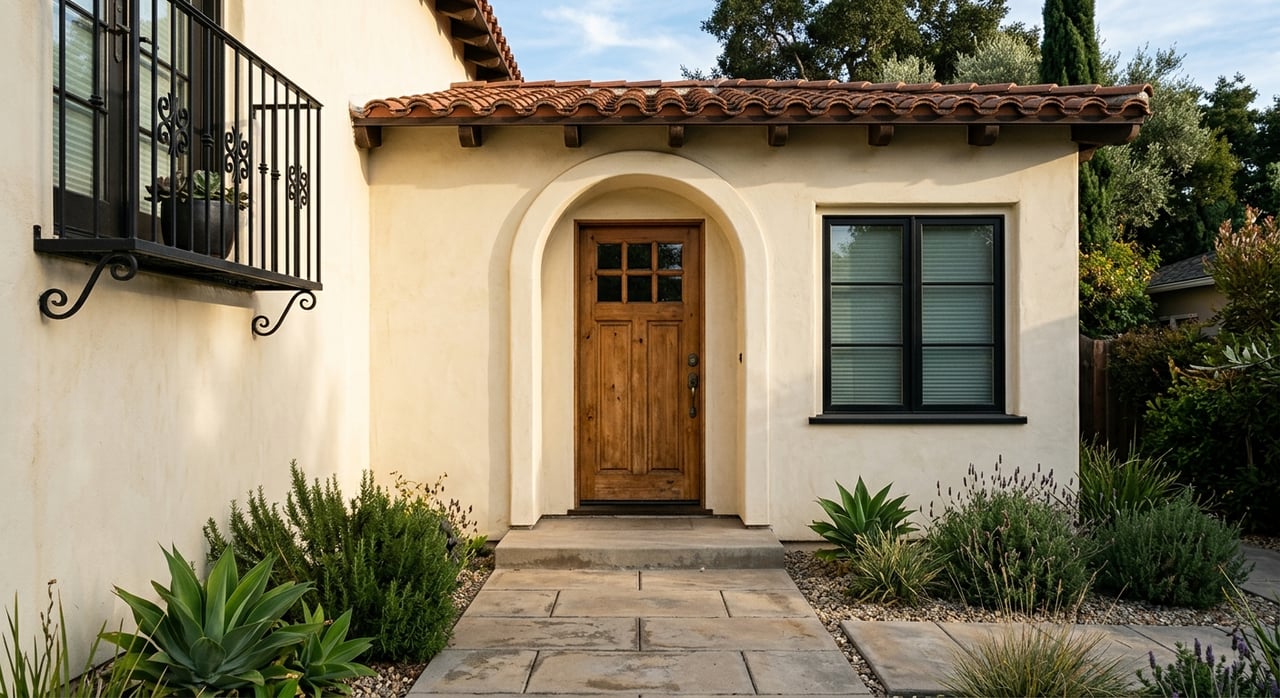
Current new-home inventory in San Marcos leans heavily toward attached townhomes and detached condominiums in master-planned communities. That means if you are comparing a new home to a resale home, you will want to look closely at lot size, shared amenities, and ownership structure.
Examples on the market today show a broad pricing range. The Hill District lists base prices from $695,900 to $1,104,168, Amplitude starts at $791,750, ReVel starts at $782,900, and Peak59 starts at $995,577.
Another important difference is availability. In The Hill District, inventory includes available-now homes, homes now building, and ready-to-build homes, so your move-in timeline could be much shorter or much longer depending on the specific property.
Resale homes offer a different kind of value
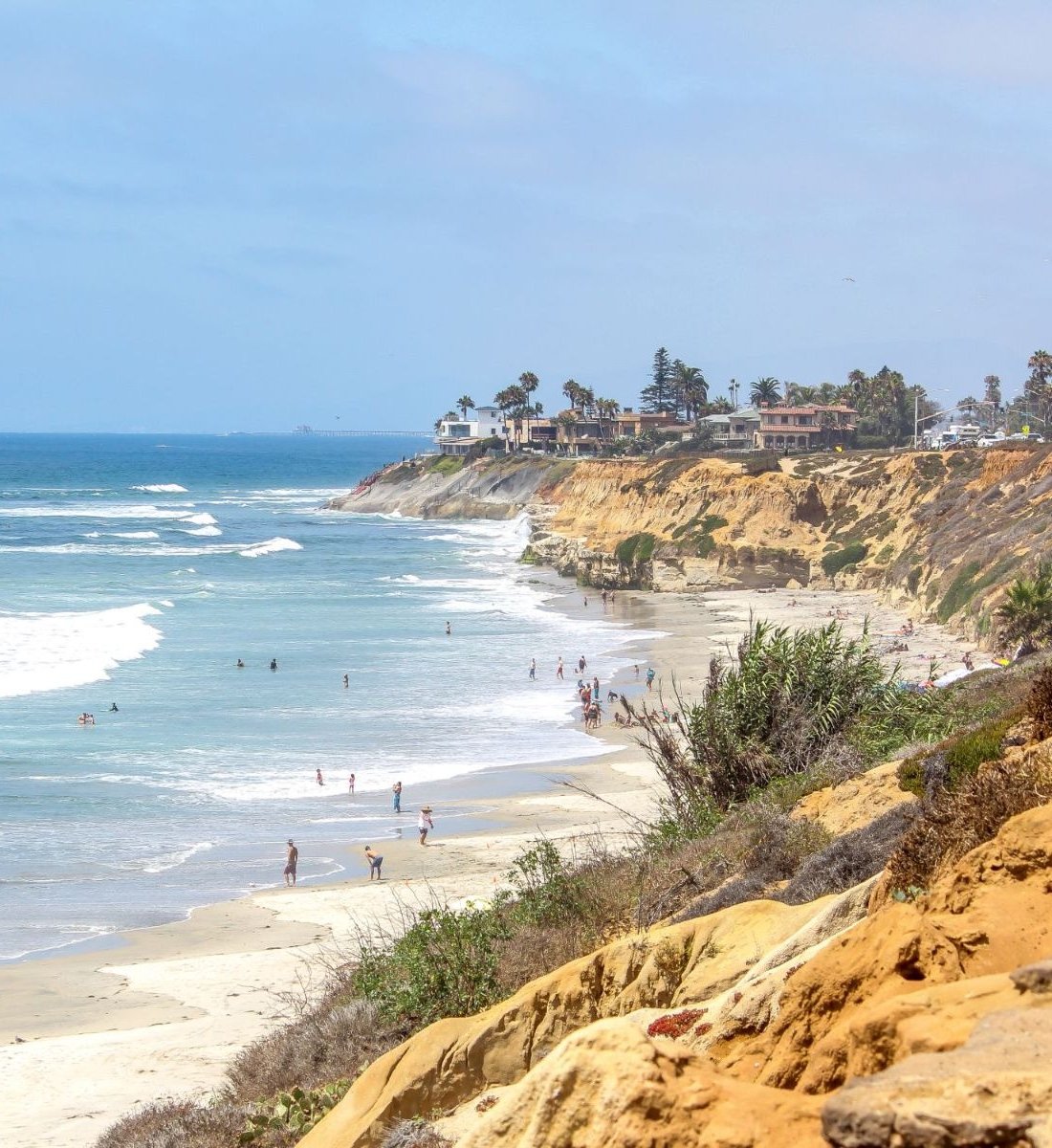
Resale homes in San Marcos often appeal to buyers who want a more established setting. In a mature area, you can usually get a clearer feel for the streetscape, traffic patterns, landscaping, and overall neighborhood rhythm before you buy.
That can be especially meaningful in a city like San Marcos, where some areas are still evolving. North City’s University District Specific Plan, adopted in 2009, includes six completed projects and two under construction, while the Creek Specific Plan covers about 214 acres of future development.
By contrast, San Elijo Hills is a useful example of a more mature master-planned setting. Its specific plan describes a town center, 31 residential neighborhoods, preserved open space, and community-wide maintenance standards through CC&Rs.
Monthly costs can change the picture fast
One of the biggest mistakes buyers make is focusing too much on the purchase price and not enough on recurring costs. In San Marcos, that is especially important when you are looking at newer communities.
Current examples show HOA fees that are meaningful. Peak59 lists $258 per month, ReVel lists $461 per month, and Amplitude lists $470 per month.
Those fees may support shared amenities, maintenance, and community operations, but they still affect your monthly payment. A home that looks affordable on paper can feel very different once you add HOA dues and property taxes.
Mello-Roos is not just a new-home issue
In San Marcos, Community Facilities Districts, often called Mello-Roos, can also affect ownership costs. The city states that owners in a CFD are taxed annually, and that charge usually appears on the property tax bill.
The city currently lists CFDs that include Paloma/Santa Fe Hills, Twin Oaks Valley Ranch, San Elijo Hills, University Commons, and others. That is why it is risky to assume a resale home is automatically free of CFD charges.
A smart step is to review the property tax bill and look specifically at the Fixed Charge Assmts section. That gives you a more accurate picture of what you may pay each year, whether you are buying new construction or resale.
What you get with new construction disclosures
New construction comes with a different document trail than a typical resale. In California common interest developments, buyers receive the public report and governing documents before they become obligated to buy, along with assessments, budget and reserve information, and other association details.
That can be helpful because you have a chance to review how the community is structured before moving forward. In resale HOA properties, buyers often receive governing documents, budget and reserve information, and delinquent assessment statements as part of the disclosure package as well.
If you are choosing between a new home and a resale home in San Marcos, this is one area where careful review matters. The home itself is only part of what you are buying. You are also buying into a set of rules, costs, and community obligations.
Build timelines vary more than many buyers expect
One reason some buyers choose resale is simple: they need to move sooner. A resale home can often offer immediate occupancy, while new construction may mean waiting through planning, construction, or final completion.
In San Marcos, new-home inventory may be available now, under construction, or ready to build. That means your timeline could range from a quick close to a much longer process.
General industry timing cited in the research shows about 6.1 months for production homes and 8.9 months for custom homes, while one builder reports an average of 4 to 5 months once construction is underway. The key takeaway is to ask the builder for a community-specific estimate instead of assuming every new home follows the same schedule.
Warranties and protections are different from insurance
Many buyers like new construction because of the protections that come with a newly built home. In California, the Department of Real Estate public report must be delivered before a buyer becomes obligated, and it may include details about utilities, roads, zoning, hazards, soil and geologic conditions, and financing arrangements for completion.
California also gives builders the opportunity to repair construction defects before litigation under SB 800. Civil Code section 900 requires a minimum one-year express written limited warranty for fit-and-finish items, and the Contractors State License Board notes complaint jurisdiction for up to four years for patent defects and up to 10 years for latent structural defects.
That said, a home warranty is a separate product. The California Department of Insurance explains that home warranties generally cover selected appliances and home systems, are not the same as homeowners insurance, and are not standardized.
Lifestyle fit matters just as much as price
San Marcos offers a substantial amenity base overall, with 44 parks, seven facilities, two aquatic complexes, and a 72-mile trail network. So for many buyers, the real question is not whether San Marcos offers lifestyle value. It is whether you want to live in an area that still feels like it is coming together or one that already feels fully settled.
If you like the idea of newer design, possible personalization, and community amenities, new construction may be a strong fit. If you prefer immediate move-in, a more established neighborhood feel, and a clearer picture of the surrounding environment, resale may be the better choice.
How to compare new construction and resale
When I help buyers compare options in San Marcos, I encourage them to look beyond the listing price. A practical side-by-side review usually includes:
- Base price or offer price
- Property type and square footage
- HOA dues
- CFD or Mello-Roos charges
- Estimated move-in timeline
- Community rules and CC&Rs
- Builder protections or existing-home condition
- Neighborhood buildout stage
This kind of comparison keeps you focused on the real cost and day-to-day experience of ownership. It also makes it easier to spot which option actually fits your goals.
The bottom line for San Marcos buyers
There is no universal winner in the new construction vs resale debate. In San Marcos, the better choice depends on what matters most to you: lower maintenance and newer systems, or faster move-in and a more established setting.
The market here shows that new construction is not automatically more expensive, but recurring costs like HOA dues and CFD charges can significantly change affordability. If you compare homes carefully by property type, monthly costs, and neighborhood context, you will make a much stronger decision.
If you want help sorting through San Marcos neighborhoods, builder communities, or resale options, Lynn Rinner would love to help you compare the details and move forward with confidence.
FAQs
Is new construction always more expensive than resale homes in San Marcos?
- No. Current San Marcos data shows some attached new homes priced below the citywide median sale price, while larger detached plans are priced above it.
What monthly fees should buyers check in San Marcos new-home communities?
- Buyers should review HOA dues and any CFD or Mello-Roos charges, because these can add meaningful monthly or annual costs beyond the mortgage payment.
What should buyers review before purchasing new construction in San Marcos?
- Buyers should review the public report, HOA documents, assessments, budget and reserve information, completion timeline, and property tax bill details.
Can resale homes in San Marcos also have Mello-Roos charges?
- Yes. The City of San Marcos notes that CFD taxes apply to owners within those districts, so resale homes are not automatically exempt.
How long does new construction usually take in San Marcos?
- Timelines vary by community and stage of construction, so buyers should ask for a property-specific estimate rather than relying on a general timeline.
What is the main lifestyle difference between new construction and resale homes in San Marcos?
- New construction often offers newer features and communities that may still be in buildout, while resale homes often offer immediate occupancy and a more established neighborhood setting.