Craving the beach life but not sure which part of Oceanside fits you best? You have options, and each one comes with a different daily rhythm, commute, and cost profile. If you understand how the coastal, harbor, south, inland, and hillside areas differ, you can focus your search with confidence. In this guide, you’ll compare lifestyle trade-offs, home types, transit access, and practical considerations like permits and insurance. Let’s dive in.
Oceanside at a glance
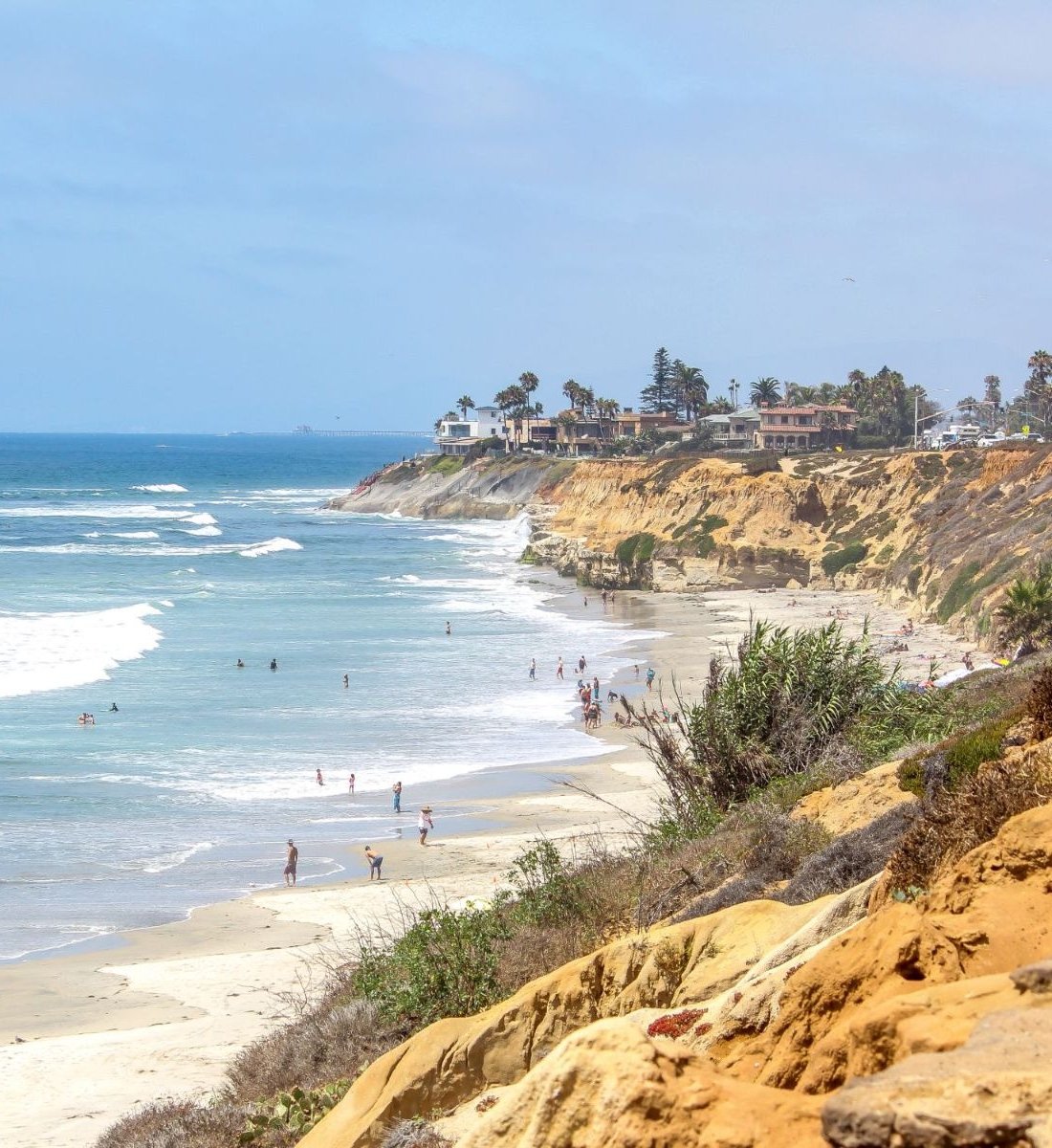
Oceanside stretches from sandy beaches and a lively pier area to quiet inland neighborhoods with newer homes and larger yards. You’ll find walkable zones near the water, boating hubs by the harbor, and master-planned communities inland that give you space and modern layouts. As you compare, weigh what matters most: beach proximity, commute, lot size, and long-term costs.
Coastal and Downtown: walkable beach life
If you want to be steps from the sand and the Oceanside Pier, the coastal and downtown core deliver. This area centers around Mission Avenue and Coast Highway with a mix of shops, restaurants, and entertainment.
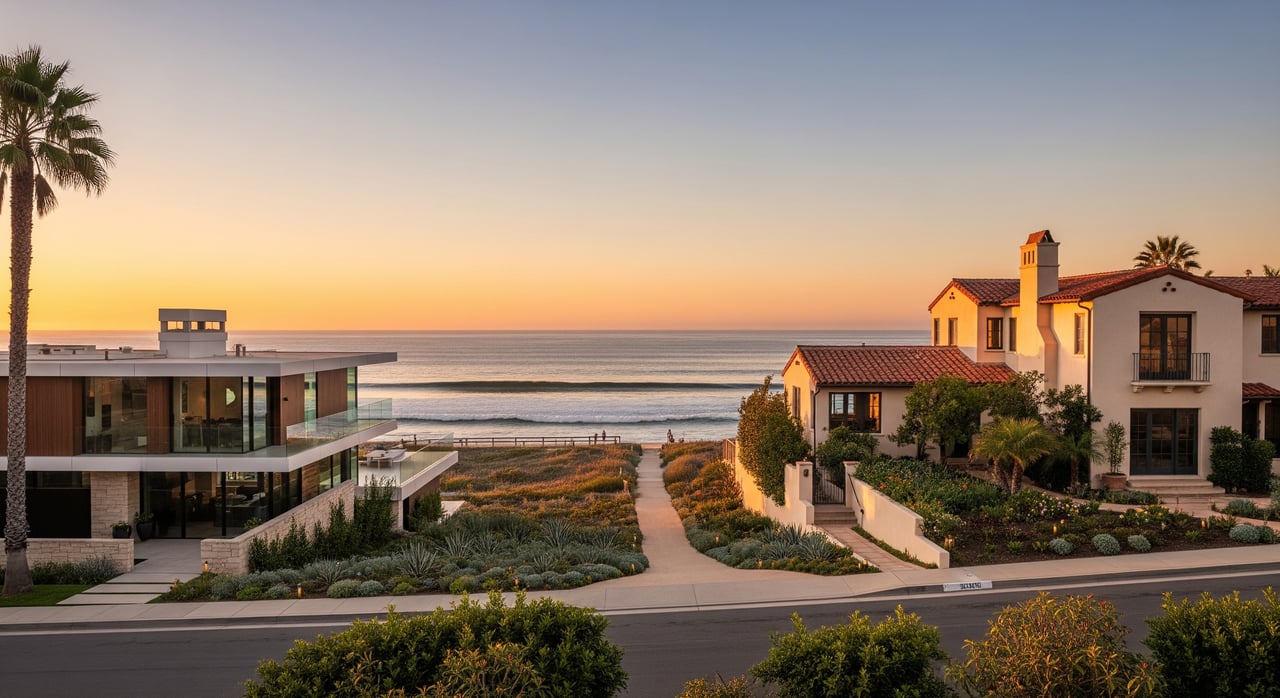
- What you’ll find: Small-lot single-family homes, older Craftsman and bungalow styles, plus condos and townhomes. You’ll also see newer infill buildings along Coast Highway and near Mission Avenue.
- Lifestyle: High walkability, beach and pier access in minutes, and active nightlife and events.
- Cost profile: Coastal addresses typically command the highest price per square foot because of beach proximity and views.
- Trade-offs: Smaller lots, tourist activity in peak seasons, and the potential for higher insurance or HOA dues for condos.
Harbor area: boating and condo living
Around the marina and west of I-5, the harbor corridor leans into a nautical lifestyle. If marine recreation is part of your week, this area is worth a look.
- What you’ll find: Condos and townhomes oriented to harbor views and boat access, plus mixed-use buildings with dining and services.
- Lifestyle: Easy access to harbor beaches, boat launches, and waterfront restaurants. More tourist activity near the marina.
- Cost profile: Waterfront amenity access and views support premium pricing for many condos.
- Trade-offs: HOA rules may shape rental options, including short-term rental restrictions. Always confirm community-specific policies.
South Oceanside: close-in value
South Oceanside runs along and inland from Mission Avenue, just south of downtown. It offers a blend of older neighborhoods and blocks seeing reinvestment.
- What you’ll find: Predominantly older single-family homes, some townhomes, and mixed commercial corridors.
- Lifestyle: Proximity to downtown amenities with selected pockets that are walkable to the beach.
- Cost profile: Often more affordable than the immediate beachfront while keeping you close to the coast.
- Trade-offs: Street-by-street variety in home condition and walkability. Plan for targeted updates if you prefer a turn-key home.
North and Inland: space and newer homes
North Oceanside, including areas around El Corazon and Rancho Del Oro, features newer suburban subdivisions and master-planned communities.
- What you’ll find: Tract single-family homes with 2–4 bedrooms, some gated pockets, modern floorplans, and larger yards relative to the coast.
- Lifestyle: Quieter residential streets, community parks, and a short drive to shopping and services.
- Cost profile: Typically lower price per square foot compared with coastal neighborhoods.
- Trade-offs: You’ll drive to the beach, usually 5 to 15 minutes depending on traffic. Commutes tend to be car-oriented.
East hills and Morro Hills: room and views
In the eastern hills and inland mesa areas, you can prioritize privacy, lot size, and panoramic views.
- What you’ll find: Larger lots, ranch-style and mid-century homes, plus opportunities for accessory dwelling unit (ADU) potential where zoning allows.
- Lifestyle: A quieter, more rural feel in spots, with beach access by car in 10 to 20 minutes.
- Cost profile: Lower cost per square foot than the coast, though larger lots and specialty features can raise total prices.
- Trade-offs: More driving for errands, schools, and the beach. Some hillside pockets may have brushfire considerations.
Commute and transit options
Your commute experience can change a lot depending on where you live in Oceanside.
- Highways: I-5 is the main north–south route. SR-76 connects east–west and ties inland North County together.
- Rail: The Oceanside Transit Center downtown is a major hub for the NCTD COASTER commuter rail to San Diego and the Amtrak Pacific Surfliner. The NCTD SPRINTER runs between Oceanside and Escondido.
- Coastal/Downtown: Walking or biking can cover many in-city trips. For southbound commutes, trains can be a practical alternative to I-5 at peak times.
- North/Inland: Quick access to SR-76 and I-5 can help for northbound and inland commutes, but you’ll drive for beach trips.
- Harbor: Good for harbor-related jobs and recreation, with moderate drives to shopping and services inland.
Everyday amenities and services
No matter where you land, Oceanside offers a strong mix of daily-life essentials.
- Healthcare: Tri-City Medical Center serves North County residents and is a key healthcare anchor for the region.
- Shopping and groceries: Mission Avenue and the College Boulevard corridors host multiple retail and grocery options. Newer retail nodes are common in north and inland areas.
- Parks and recreation: El Corazon Sports Park, harbor facilities, and beachfront parks support everything from team sports to paddleboarding and casual beach days.
- Schools: Oceanside Unified School District serves the city, with private and charter options nearby. Always confirm current boundaries for a specific address with the district.
Costs, regulations, and risks to factor in
Beyond list price, you should account for permits, insurance, and local rules that vary by location and property type.
- Coastal permitting: Homes near the shore fall within the coastal zone and are subject to the City’s Local Coastal Program. Additions or rebuilds may require extra steps and longer timelines.
- Flood and erosion: Some coastal parcels sit in FEMA flood zones or areas with erosion risk. Ask for flood maps, elevation data, and current insurance requirements before you buy.
- Sea-level planning: Oceanside participates in regional planning for sea-level rise. If you are considering a shoreline property, review city climate and vulnerability resources during due diligence.
- Insurance and HOA fees: Coastal homes can carry higher wind or flood premiums. Condos, especially near downtown and the harbor, often include HOA dues that cover building maintenance and amenities.
- Short-term rentals: Oceanside regulates short-term rentals, and some HOAs restrict them. Verify whether a property can be used for vacation rentals before assuming income.
- Infrastructure: Older downtown homes may have aging sewer or water lines. Ask about recent upgrades and any assessments.
- Fire and environmental factors: Inland and hillside pockets can face brushfire risk. In northern areas, Camp Pendleton operations may affect noise at times. Seasonal tourism can add parking and traffic near downtown and the harbor.
How to choose your best-fit area
Use your lifestyle priorities to narrow your search quickly.
- If you want walkability and beach time: Focus on the Coastal/Downtown and Harbor corridors. Expect smaller lots and premium pricing per square foot.
- If you want value close to the coast: Target South Oceanside. You may trade a few extra blocks to the beach for a better purchase price.
- If you want newer homes and space: Look in North Oceanside around El Corazon and Rancho Del Oro. You’ll likely get modern layouts and larger yards.
- If you want privacy and views: Explore the eastern hills and Morro Hills. Larger lots and a calmer setting can be the draw.
- If you want flexible use or potential rental income: Condos near downtown and the harbor can be attractive, but review city and HOA rental rules first.
Smart due diligence checklist
Use this list to compare properties and avoid surprises.
- Confirm school boundaries for your specific address with the district.
- Pull current transit options and COASTER schedules if you plan to commute by rail.
- Review FEMA flood maps for coastal addresses, and ask for any elevation certificates or letters of map amendment.
- Ask your insurance broker for quotes that include any coastal or hillside risk factors.
- Verify the City’s rules for short-term rentals and any HOA rental restrictions.
- Check the City’s coastal permitting requirements if you plan additions or major remodeling.
- Ask about recent infrastructure updates and any planned assessments for older properties.
- Review HOA documents for condo communities, including budgets, reserves, and pet, rental, and architectural rules.
- Compare price per square foot across areas rather than focusing on list price alone.
Buying with a VA loan or relocating
If you are relocating or using a VA loan, put commute and community access at the top of your list. The Oceanside Transit Center can simplify regional travel, while newer inland communities often provide modern features and good space for value. I often help military and first-time buyers compare trade-offs between beach proximity, monthly costs, and long-term flexibility, including potential for remote closings and smooth timelines.
Ready to explore Oceanside?
When you understand the trade-offs, choosing a neighborhood becomes much easier. If you want a local partner to line up on-point tours, explain coastal rules in plain language, and negotiate with confidence, let’s talk. Reach out to Lynn Rinner to start a focused, stress-reduced search.
FAQs
How do Oceanside neighborhoods differ in price?
- Coastal and harbor areas usually have the highest price per square foot due to beach proximity and views, while inland and hillside areas tend to offer more space for the price.
Which areas are most walkable to the beach and dining?
- The Coastal/Downtown and Harbor corridors offer the strongest walkability, with quick access to the pier, waterfront, restaurants, and events.
What are the best transit options for commuting to San Diego?
- The Oceanside Transit Center connects to the NCTD COASTER and Amtrak Pacific Surfliner, providing a practical alternative to I-5 during peak hours.
Are short-term rentals allowed near the beach?
- Oceanside regulates short-term rentals, and many HOAs have their own rules, so always verify city permits and community guidelines for a specific property.
What risks should I consider for coastal homes?
- Review FEMA flood zones, potential coastal erosion, insurance requirements, and coastal permitting steps that can affect remodeling or rebuilding plans.
Where can I find newer homes with larger yards?
- North and inland areas such as those around El Corazon and Rancho Del Oro typically offer newer construction, modern layouts, and larger lots compared to the coast.