Thinking about a low‑maintenance, activity‑rich lifestyle without leaving North Inland San Diego? If you want single‑level living, social clubs, and easy access to golf and services, Rancho Bernardo’s 55+ neighborhoods deserve a close look. In this guide, you’ll learn how these communities work, what homes and amenities to expect, what costs to budget, and how to do smart due diligence. Let’s dive in.
Rancho Bernardo 55+ overview
Rancho Bernardo is a large master‑planned area in northern San Diego with two well‑known 55+ neighborhoods, Seven Oaks and Oaks North. Each has a community center that anchors clubs, classes, and events. You will also find smaller active‑adult pockets nearby in the Rancho Bernardo, Del Sur, and 4S Ranch corridor, along with a few licensed senior living campuses.
If you enjoy community programming, local centers are true hubs. The Seven Oaks Community Center, for example, is a busy venue for resident activities and neighborhood meetings, which you can see through local planning board notices and events listed by the Rancho Bernardo Planning Board.
Seven Oaks snapshot
Seven Oaks is the original age‑restricted neighborhood in Rancho Bernardo with roughly 1,700 to 1,759 homes. You’ll see a mix of single‑family detached patio homes and attached or condo units. The community has its own center, pool and activity spaces, and a calendar of social clubs.
Seven Oaks appeals if you want single‑level living and a classic 55+ setting. Many homes have manageable yards and floor plans that prioritize accessibility.
Oaks North snapshot
Oaks North is the other major 55+ area, organized into multiple tracts and enclaves. Some sections are gated, and the neighborhood is anchored by the Oaks North Community Center plus an executive golf facility and courts. Like Seven Oaks, you will find active clubs, classes, and hobby spaces.
Home styles vary by tract, so it helps to compare HOA rules, amenities, and maintenance coverage section by section. That variety lets you match your wish list with the right sub‑neighborhood.
Nearby options and care campuses
Beyond Seven Oaks and Oaks North, you’ll find smaller 55+ enclaves and “active‑adult” townhome clusters nearby. If you are comparing independent living or continuing‑care options, know that those campuses operate under specific contracts and state oversight. California’s Continuing Care Contracts and assisted‑living programs are regulated by the Department of Social Services, which publishes laws and regulations for CCRCs and guides for assisted living.
How 55+ housing works in California
HOPA basics you should know
Under the federal Housing for Older Persons Act, a “55 or older” community can limit occupancy by familial status if it follows strict rules. At least 80% of occupied units must have one resident who is 55 or older, the association must publish policies showing it operates for older persons, and it must use reliable age‑verification procedures and keep records. You can read the federal framework directly from HUD’s HOPA guidance.
California rules to review
California adds state‑specific requirements. Civil Code section 51.3 addresses who may live in a senior community and defines terms such as “qualified permanent resident.” When you are in escrow, review the CC&Rs and association rules alongside the statute to understand how the community handles occupants, surviving residents, and related exceptions. You can reference the state language via California Civil Code §51.3.
Home types and amenities
Floor plans you will find
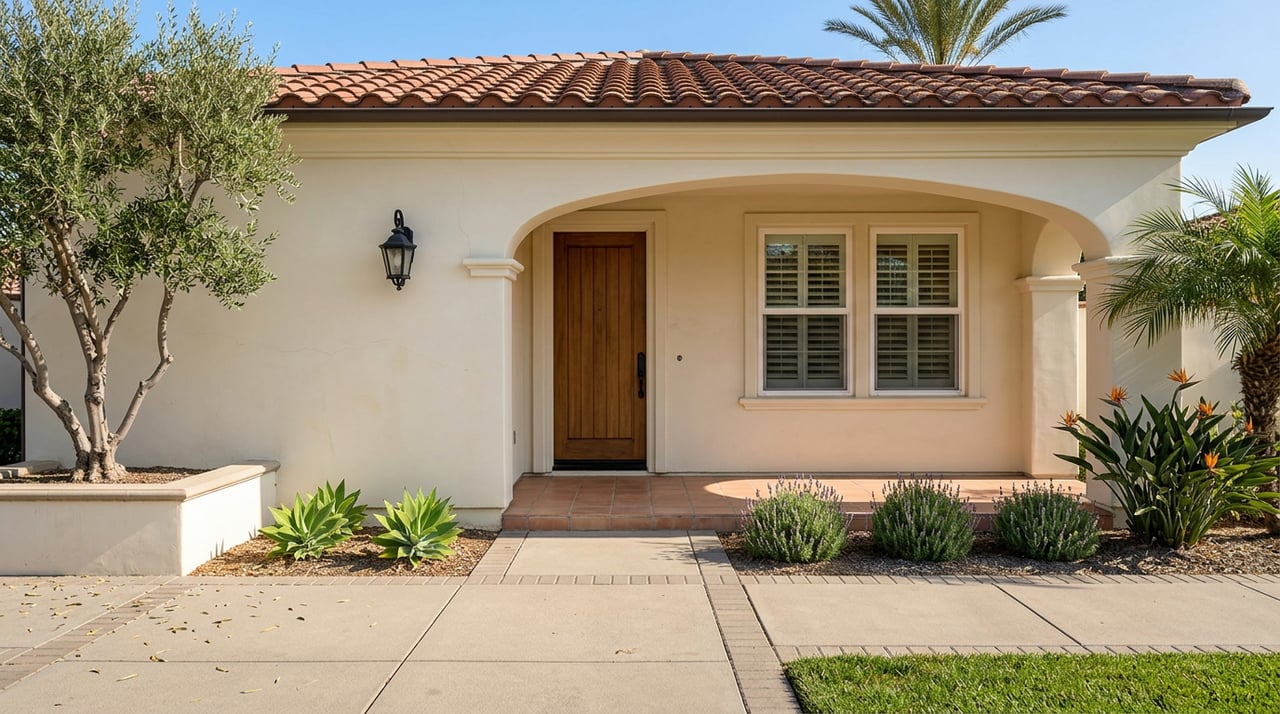
- Single‑level detached patio homes with low‑maintenance yards, popular with downsizers who want more privacy.
- Single‑level attached homes and low‑rise condos, often near the main amenities.
- Newer “active adult” townhomes in nearby enclaves, typically with smaller yards and modern finishes.
Amenities to expect
- Community center with activity rooms and classes
- Pool and spa
- Fitness room
- Tennis and pickleball courts
- Hobby rooms like woodshop or ceramics, plus library or game rooms
- Organized clubs, walking groups, and nearby golf
These are typical across Seven Oaks, Oaks North, and nearby 55+ pockets. Always verify the exact amenity list and hours with the specific community center or HOA.
What it costs and why it varies
Home prices in context
Sale prices vary by size, updates, and tract. In recent years, Seven Oaks and Oaks North have shown a wide range, from the mid to high hundreds of thousands for smaller or original‑condition homes to the low millions for larger or updated properties. Use current comps from the MLS when you are ready to write an offer and expect price differences even within the same neighborhood.
HOA dues and membership fees
A key budget point is how the HOA is structured. Detached patio‑home tracts often have low or no monthly HOA and instead require an annual community‑center membership that may be a few hundred dollars per year. Condo and townhome buildings typically have monthly dues in the mid‑hundreds that cover exterior maintenance, common‑area insurance, pool care, and management. You may also see a combination of a building HOA plus a separate community‑center membership. Examples from recent resale data show annual memberships around $520 to $615 in some tracts, but the exact amounts and inclusions vary.
When comparing homes, look closely at what each fee covers. Ask whether front‑yard landscaping, roof replacement, exterior repairs, trash, water, or cable are included in the HOA, since these items change your monthly carry.
Property taxes and special assessments
California’s base property tax under Proposition 13 is about 1% of assessed value. Local bonds and special taxes can raise the effective rate, which often lands in the 1.05% to 1.25% range in San Diego County. It is smart to confirm the exact bill for any parcel using the county resources referenced at the San Diego County property appraiser information site.
Financing and condo considerations
If you are buying a condo or attached home, your lender will review the HOA’s budget, insurance, reserves, and any litigation. Associations in California must prepare annual budget and reserve disclosures, which helps you evaluate financial health. You can learn more about reserve funding summaries and required disclosures through resources on HOA reserve funding and reports, and you can explore how annual budget reports are handled under the Davis‑Stirling framework via FindHOALaw’s budget report tag.
Your due diligence checklist
Use this quick list to compare homes and communities with confidence:
Legal and financial docs
- Request the full HOA resale packet early. Confirm CC&Rs, bylaws, rules, current operating budget, reserve study or summary, insurance declarations, meeting minutes for the last 12 months, and any special assessments or loans. California’s disclosure framework supports these reviews. See background on reserve funding and disclosures.
Age‑restriction verification
- Confirm the community’s 55+ status under HOPA and California law. Ask for the written age‑verification policy and the date of the last occupancy survey. HUD’s HOPA guidance explains what lawful age‑restricted housing requires.
Operations and lifestyle rules
- Verify what the HOA covers: landscaping, exterior maintenance, roof, and utilities. Confirm guest policies, short‑term rental rules, pet rules, and parking.
Contracts and vendors
- Review key vendor agreements, including management, landscaping, and pool contracts, for automatic escalators or renewal clauses.
Safety and services
- Map the closest urgent care and hospital services. Palomar Medical Center Poway is the primary nearby acute‑care option, and you can review services and directions through Palomar Health.
- Ask whether the HOA has emergency plans and evacuation procedures, especially for wildfire season.
If you are considering licensed care or a CCRC
- For assisted living, check the California Community Care Licensing Division’s guides and confirm current license status and inspection history. See the RCFE Self‑Assessment Guide for the scope of oversight.
- For CCRCs, request the contract form, refund policy, financials, and Certificate of Authority status. Review the state’s continuing care laws and regulations for what providers must disclose.
Safety and local services
Medical access
Proximity to care is a top priority for many 55+ buyers. Palomar Medical Center Poway serves North Inland San Diego with emergency and outpatient services. You can confirm services, directions, and contact information through Palomar Health.
Wildfire readiness
Rancho Bernardo and nearby inland neighborhoods have a history of wildfire exposure and sit near the wildland‑urban interface. Ask the HOA about defensible space policies, communication plans, and evacuation procedures. For historical context and safety insights, review the federal summary of the 2007 Witch and Guejito fires.
Choosing your fit: Seven Oaks vs. Oaks North
- If you want a long‑established, classic 55+ neighborhood with a wide mix of single‑level options, Seven Oaks is a natural starting point. Expect community‑center programming and a strong social calendar.
- If you prefer multiple gated and non‑gated tracts, an executive‑style golf scene, and the ability to fine‑tune amenities by sub‑neighborhood, Oaks North is worth a close look.
- In both areas, compare fee structures carefully. A detached patio home may have an annual community‑center membership with low monthly overhead, while a condo can carry higher monthly dues that include exterior maintenance and insurance.
As you tour, bring a list of must‑haves like single‑level access, yard size, garage needs, and HOA coverage. Then layer in club and activity preferences so your day‑to‑day life aligns with the community’s rhythm.
Ready to compare homes, fees, and amenities one‑on‑one? Reach out to Lynn Rinner to set up a tailored search, review HOA documents, and tour the Rancho Bernardo 55+ communities that fit you best.
FAQs
What does “55+ housing” legally mean in California?
- Under federal HOPA rules, at least 80% of occupied units must have one resident 55 or older, and the community must publish policies and verify ages; California Civil Code §51.3 adds state‑specific occupancy rules you should review with the CC&Rs.
Can my adult child or grandchild live with me in a Rancho Bernardo 55+ home?
- It depends on the association’s written rules and California’s “qualified permanent resident” definitions; ask the HOA for its age‑verification policy and how it handles under‑55 occupants under state law.
What is the difference between an annual membership and a monthly HOA?
- Some detached 55+ tracts charge a modest annual community‑center fee, while condos and townhomes often have monthly dues that cover exterior maintenance, common‑area insurance, and amenities; always verify inclusions to understand your true monthly carry.
How much are property taxes in Rancho Bernardo?
- California’s base rate is about 1% of assessed value, and local bonds or special taxes typically place the effective rate in the 1.05% to 1.25% range; confirm the exact parcel bill through county resources.
Are 55+ condos harder to finance?
- Lenders look closely at HOA reserves, insurance, owner‑occupancy ratios, and any litigation; request the full resale packet early so your lender can review the association’s financial health.
How close are medical services to the 55+ neighborhoods?
- Palomar Medical Center Poway serves North Inland San Diego with emergency and outpatient care; check current services and directions on the Palomar Health site before you move.
Should I worry about wildfire risk in Rancho Bernardo?
- Wildfire is a regional consideration, so ask each HOA about defensible space, evacuation plans, and communication protocols, and review historical context like the 2007 Witch and Guejito fires summary from NIST.