If the idea of living near the coast without relying on your car every day sounds appealing, Solana Beach deserves a closer look. For many buyers and renters, the real question is not whether you can go completely car-free, but whether daily life can feel easier, simpler, and more walkable. In Solana Beach, the answer is often yes, especially if you choose your location carefully. Let’s dive in.
Why Solana Beach Works Well
Solana Beach stands out in coastal North County because key destinations sit relatively close together. The city describes residents as enjoying suburban neighborhoods with urban amenities centered around Cedros Avenue and Historic Highway 101, and its coastal planning places the town center just two blocks from Fletcher Cove with the transit station within a quarter-mile walk of the beach and community center. You can explore that local layout through the City of Solana Beach community overview.
That kind of proximity matters if you want to reduce driving. When your beach access, shops, dining, and transit are clustered in one core area, everyday errands and outings become much more manageable on foot, by bike, or with transit.
Transit Options in Solana Beach
COASTER adds regional reach
One of Solana Beach’s biggest advantages is its rail connection. The Solana Beach Transit Station at 105 North Cedros Avenue is served by COASTER, one of eight stations between Oceanside and downtown San Diego, with more than 20 weekday trains plus additional weekend service.
The station also connects to Amtrak Pacific Surfliner and BREEZE bus routes 101 and 308. If you commute along the coast or head into downtown San Diego, that rail access can make a car-light lifestyle much more realistic.
BREEZE supports everyday trips
Bus service helps fill in the gaps. According to the city’s public transportation page, BREEZE Route 101 runs along Highway 101, while Route 308 links Solana Beach to Escondido.
That gives you options for many routine trips, especially if you stay within coastal North County or need occasional inland access. Still, transit here works best when you are comfortable planning around routes and schedules rather than expecting a door-to-door setup.
Rail service can have interruptions
There is one important practical note. Coastal rail service is sometimes suspended for scheduled weekend maintenance, so it helps to check current service alerts before you head out. The city posts notices such as this rail service update that can help you plan backup options.
Walkable Areas to Know
Cedros Avenue is a key hub
If you picture a more walkable Solana Beach lifestyle, Cedros Avenue is likely part of that vision. The city describes the Cedros Design District and surrounding area as a walkable mix of arts, shops, and local businesses, with the Cedros Avenue Farmers’ Market held Sundays at 410 Cedros.
For many residents, that kind of nearby retail and activity can reduce the need to drive for small errands or casual outings. It also creates the kind of neighborhood rhythm that makes walking feel practical, not just recreational.
Highway 101 extends the car-light lifestyle
Historic Highway 101 adds another useful corridor. The city notes that shopping and dining continue along Highway 101, which broadens your range of places to reach without needing to get in the car every time.
If you live near this corridor, it can be easier to combine transit, walking, and biking into your routine. That is often the sweet spot for a car-light lifestyle.
Beach Access Makes a Difference
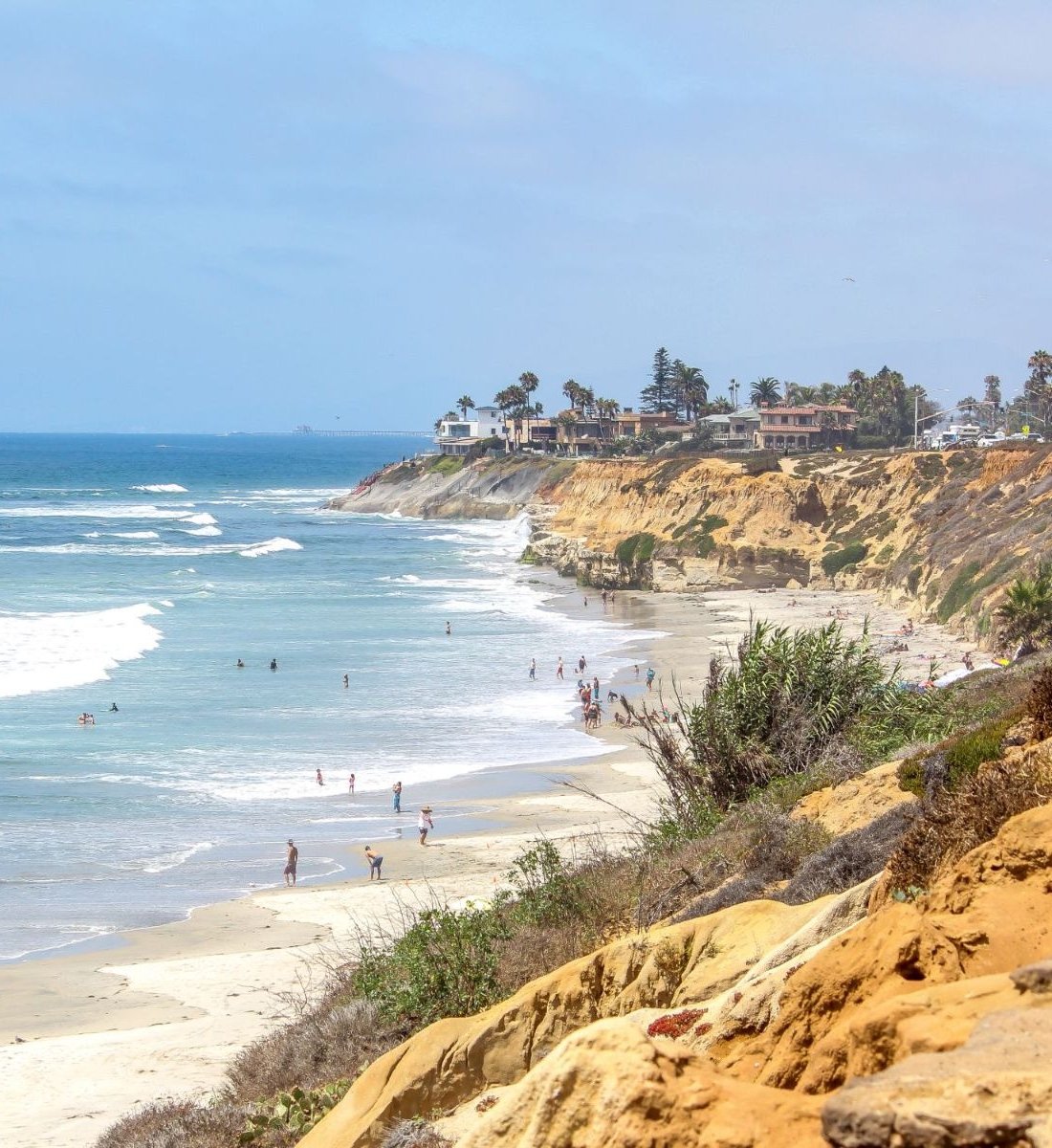
Solana Beach offers especially strong public beach access for a small coastal city. The city reports 1.7 miles of shoreline and four main beach parks: Fletcher Cove, Tide Beach Park, Seascape Surf, and Del Mar Shores.
Its coastal plan also notes three public beach access stairways plus a public ramp at Fletcher Cove, with the transit station within a quarter-mile walk of Fletcher Cove Park and the beach. If beach time is part of your regular routine, that close connection between transit and the shoreline is a major plus.
Biking and Active Transportation
Walking is only part of the picture. Solana Beach continues to invest in local infrastructure, including Coastal Rail Trail maintenance and nearby accessibility improvements.
The city also states that Class 1 and 2 e-bikes are allowed on the Coastal Rail Trail, while Class 3 e-bikes are not. That supports a slower-speed, shared local travel pattern that works well for short trips, station access, and nearby errands.
Where Car-Free Living Is Most Realistic
Focus on the core area
If your goal is to drive less, location matters more than almost anything else. The most practical setup is typically a home or rental within walking distance of the station, Cedros Avenue, Highway 101, and Fletcher Cove.
In that part of Solana Beach, you are closer to the places and services that make a car-light lifestyle feel natural. The farther you move from that core, the more likely you are to depend on a car for daily convenience.
Housing options can support that goal
Solana Beach is not made up of only detached homes. The city’s housing element explains that multi-family housing includes apartment houses, townhomes, and condos, and these housing types are permitted in several residential zones, with some commercial-zone limitations. The Highway 101 Corridor Specific Plan also promotes mixed-use residential and commercial development to strengthen pedestrian-friendly plaza and transit districts, as reflected in the city’s housing element materials.
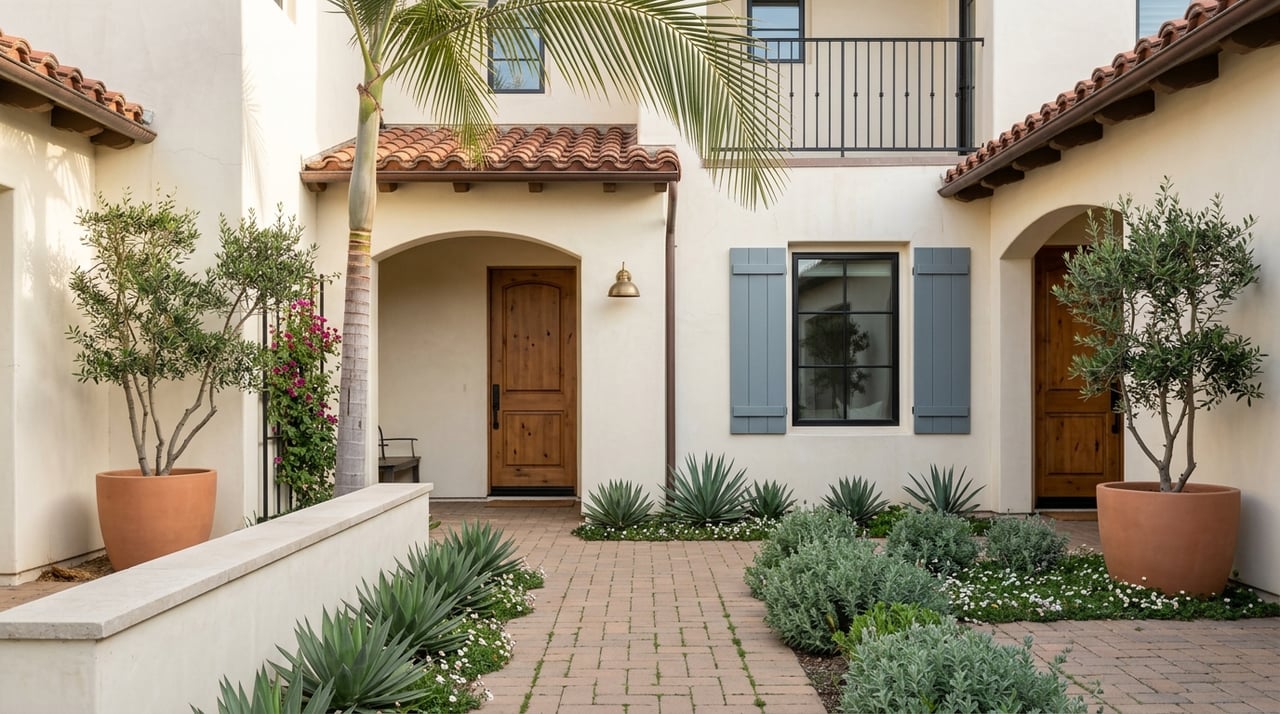
That matters because condos, townhomes, apartment homes, duplexes, and mixed-use units near the core may be better aligned with a lower-car lifestyle than homes farther from transit and commercial areas.
Car-Free vs. Car-Light Expectations
For most people, Solana Beach is better described as car-light than fully car-free. If you regularly travel inland, want maximum weekend flexibility, or need to make trips outside the main coastal corridors, having a car can still make life easier.
At the same time, many residents could likely reduce driving significantly if they live near the station and main walkable corridors. Based on the city’s land use and coastal planning, the strongest fit is for people who value rail access, beach proximity, and neighborhood-scale errands over total driving independence.
Who Might Love This Lifestyle
A car-light lifestyle in Solana Beach may be a strong fit if you:
- Want access to COASTER for commuting along the coast or into downtown San Diego
- Enjoy walking to coffee, shops, dining, or the farmers market
- Plan to spend a lot of time at Fletcher Cove or nearby beach areas
- Are comfortable checking transit schedules and adjusting plans when needed
- Prefer living near a compact, active coastal core
It may be less ideal if you:
- Need frequent inland trips on a tight schedule
- Prefer destinations that are spread out across the county
- Want total flexibility without relying on transit timing
What to Think About Before You Move
Before you buy or rent in Solana Beach with car-free living in mind, think about your actual weekly routine. Where do you work, how often do you head inland, and what errands do you want to do on foot?
It is also smart to study the distance between a property and the station, Cedros, Highway 101, and beach access points. In a town like Solana Beach, a few blocks can make a big difference in how practical your lifestyle feels day to day.
If you are considering a move and want help identifying homes that support your goals, I can help you narrow in on areas that fit the way you want to live. Whether you are relocating, buying your first North County home, or looking to simplify your routine, Lynn Rinner can help you evaluate the tradeoffs and find the right fit.
FAQs
Is Solana Beach a good place for car-free living?
- Solana Beach can be a strong option for car-free or car-light living, especially near the Cedros, transit station, Highway 101, and Fletcher Cove core where shops, transit, and beach access are closely clustered.
Does Solana Beach have train service for commuting?
- Yes. The Solana Beach Transit Station is served by COASTER, with more than 20 weekday trains and additional weekend service, plus connections to Amtrak Pacific Surfliner and BREEZE buses.
What parts of Solana Beach are most walkable?
- Cedros Avenue and Historic Highway 101 are the main walkable commercial corridors mentioned by the city, with shopping, dining, arts-related businesses, and the Cedros Avenue Farmers’ Market.
Can you get to the beach in Solana Beach without a car?
- Yes. The city states that the transit station is within a quarter-mile walk of Fletcher Cove Park and the beach, and Solana Beach also has multiple public beach access points.
Is biking useful for getting around Solana Beach?
- Biking can be useful for local trips, especially with infrastructure like the Coastal Rail Trail and city investments in sidewalk and accessibility improvements. Class 1 and 2 e-bikes are allowed on the trail, while Class 3 e-bikes are not.
What type of home is best for a car-light lifestyle in Solana Beach?
- A home or rental near the station, Cedros Avenue, Highway 101, and Fletcher Cove is typically the most practical choice, and housing options near the core may include condos, townhomes, apartment homes, duplexes, and mixed-use units.